
In tantalum capacitor selection, leakage current (DCL) and temperature characteristics are key parameters that determine long-term system reliability. Data shows that leakage current drift caused by temperature changes is one of the primary causes of tantalum capacitor failure. This guide will provide a deep analysis of the latest Panasonic ECS-F1AE226K (22µF / 10V) datasheet. Through key data tables and curves, we will deconstruct the real performance of leakage current across the full temperature range of -55°C to +105°C, helping you avoid design risks at the source.
Based on the official technical documentation for the ECS-F1AE226K, this article presents a different perspective—truly understanding the behavior of this capacitor under extreme operating conditions beyond conventional supplier parameter tables. We will analyze how its conformal coated characteristics affect leakage current and explore its reliability boundaries in practical circuits.
I. ECS-F1AE226K Core Parameters and Market Positioning
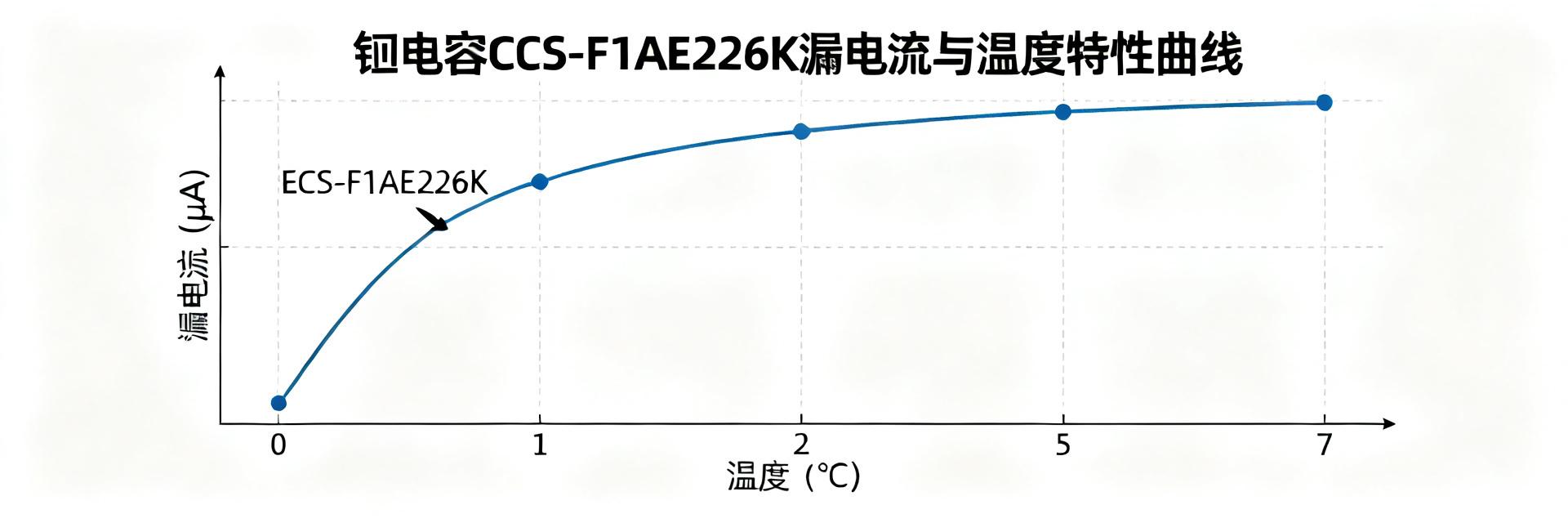
Figure 1: ECS-F1AE226K Official Specification Overview
Before discussing leakage current and temperature characteristics in detail, it is first necessary to clarify the basic specifications of the ECS-F1AE226K. This capacitor belongs to the Panasonic EF series, known for its excellent leakage current control and stability across wide temperature ranges.
1.1 Basic Specifications: Package, Capacitance, and Voltage Rating
The ECS-F1AE226K is a standard radial lead tantalum electrolytic capacitor. It has a nominal capacitance of 22µF with a tolerance of ±20% and a rated operating voltage of 10V. The physical dimensions are 4.7mm in diameter and 8mm in height, which is a key consideration for space-constrained PCB designs.
1.2 Datasheet Authority: Why Choose the Panasonic EF Series?
Industry standard leakage current specifications are typically "I ≤ 0.01 CV," but the Panasonic EF series sets a stricter standard: I ≤ 0.008 CV or 0.05 µA. This means it has a lower self-discharge rate under the same voltage stress.
| Parameter Item | ECS-F1AE226K Specification | General Industry Standard |
|---|---|---|
| Leakage Current Formula (DCL) | ≤ 0.008 CV | ≤ 0.01 CV |
| 22µF/10V Leakage Limit | 1.76 µA | 2.20 µA |
| Operating Temperature Range | -55°C to +105°C | -55°C to +85°C |
II. In-depth Leakage Current Analysis: From Datasheet to Engineering Practice
The description of leakage current in a datasheet is often just a single line formula, but it hides a wealth of engineering information. Correctly interpreting this data is the first step in avoiding design pitfalls.
2.1 Leakage Current (DCL) Calculation Formula and Typical Value Interpretation
DCL Calculation: I ≤ 0.008 × C(µF) × V(V)
Using the ECS-F1AE226K as an example, the calculated maximum leakage current is 0.008 × 22 × 10 = 1.76 µA. However, please note that this is the "maximum value," not the "typical value." At a room temperature of 25°C and after sufficient aging, typical leakage current is usually much lower, often between 0.1 µA and 0.5 µA.
2.2 Correlation Curve Between Voltage Derating and Leakage Current
When you reduce the operating voltage from the rated 10V to 70% (i.e., 7V), the leakage current will decrease exponentially, typically by an order of magnitude or more. Therefore, an economical and efficient recommendation is: to balance cost and performance, it is recommended to derate the voltage to between 60%-70%, keeping the operating voltage between 6V and 7V.
III. Full Temperature Characteristics: Reliability Verification from -55°C to 105°C
High Temperature Range (85°C / 105°C)
Leakage current approximately doubles for every 10°C increase in temperature. In extreme 105°C environments, the ECS-F1AE226K still strictly limits leakage current within the 1.76 µA threshold, reflecting high manufacturing standards.
Low Temperature Range (-55°C)
Leakage current drops to extremely low levels, but the trade-off is a significant increase in Equivalent Series Resistance (ESR). When evaluating low-temperature performance, ESR data must be considered to assess its impact on ripple absorption capability.
Key Summary
- ECS-F1AE226K Core Advantage: Its leakage current standard (I ≤ 0.008 CV) is superior to the industry average, providing lower self-discharge rates and longer hold-up times for high-reliability designs.
- Temperature Sensitivity of Leakage Current: At high temperatures of 105°C, leakage current increases significantly but remains strictly limited; at low temperatures of -55°C, leakage current is extremely low but ESR rises substantially.
- Voltage Derating is Key: Reducing the operating voltage from 10V to 70% (7V) can exponentially reduce leakage current, making it the most effective means of controlling power consumption and improving reliability.
Frequently Asked Questions
Q: What does "0.008 CV" for leakage current in the ECS-F1AE226K datasheet mean?
A: This refers to the formula for the maximum allowable leakage current for this capacitor. Where C represents the nominal capacitance (22µF) and V represents the rated voltage (10V). The result is 1.76 µA, meaning any qualified capacitor will not exceed this leakage current at rated voltage and 25°C.
Q: Will the leakage current of the ECS-F1AE226K exceed the datasheet nominal value at 105°C?
A: No. Even at the maximum temperature of 105°C, its leakage current must meet the specification. While typical leakage current will be several orders of magnitude higher than at room temperature, it must still be controlled within the maximum value of 1.76 µA.
Q: How should I select for low-temperature environments based on the ECS-F1AE226K datasheet?
A: In a -55°C environment, you should focus on the increased ESR rather than just low leakage current. It is recommended to check the impedance-frequency curves in the manual. If there are strict requirements for low ESR, consider using polymer tantalum capacitors or higher capacitance models for compensation.
Q: Does the conformal coating of the ECS-F1AE226K affect leakage current?
A: Yes, the primary role of the conformal coating is to provide mechanical protection and moisture resistance. In high-humidity environments, it effectively prevents moisture from forming leakage paths on the leads, thereby suppressing increases in leakage current caused by humidity.